A visible operating system for commercial systems thinking
I build operating systems for how work actually runs — and use AI where it earns its place.
I'm Myles Mellor — an AI-first commercial and operations leader with 25 years of P&L and transformation across financial services, hospitality and consultancy, now building working AI systems daily. This is the record of it: the things I've built, and — more usefully — how I reasoned about them. What I deliberately avoided is often the more telling part.
Or search across everything

Myles Mellor
AI-first commercial & operations leader
Governance layer
Primary build
one at a time
Secondary
maintenance
Exploration
capture & route
Foundation
Systems
The four systems every business runs on
Revenue, operations, decisions, and the data layer underneath — each demonstrated live on my own operation, with the reasoning written up.
Start here — how the pieces run as one operation, and the rules that keep it honest.
How demand becomes work — the public surfaces that earn attention and enquiries.
How work moves — workflow, handoffs, and the quality gates that catch what slips.
How performance gets seen and steered — review, visibility, and deciding what not to do.
The information foundation underneath — memory, knowledge, and what makes AI useful.
Work
Things I’ve shipped
Shipped products — some live, some personal tools — that the thinking produced.
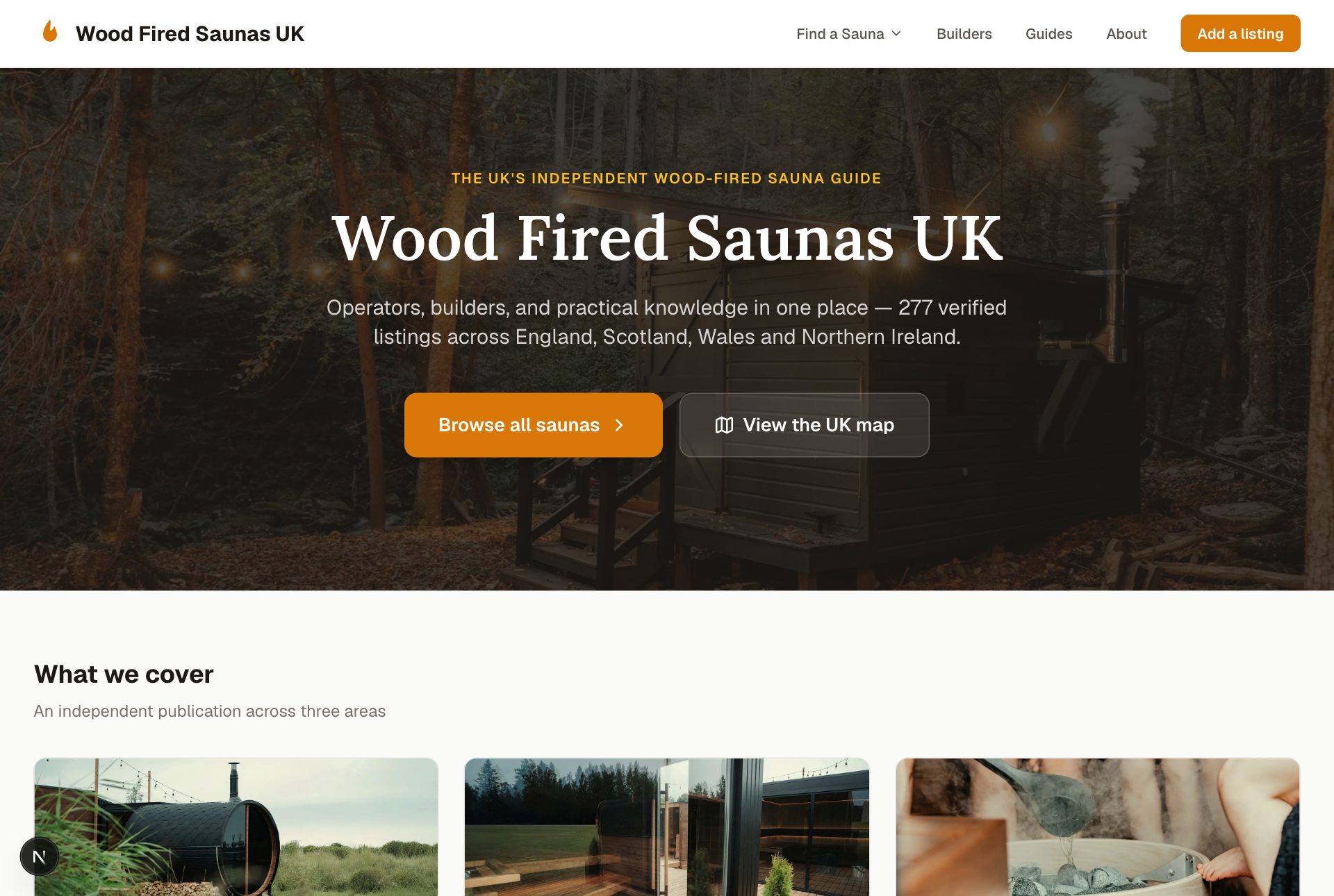
Wood Fired Saunas UK
LiveA live directory of the UK's wood-fired and outdoor sauna scene — operators, builders, and practical guides. The interesting decisions were the ones about what to leave out.
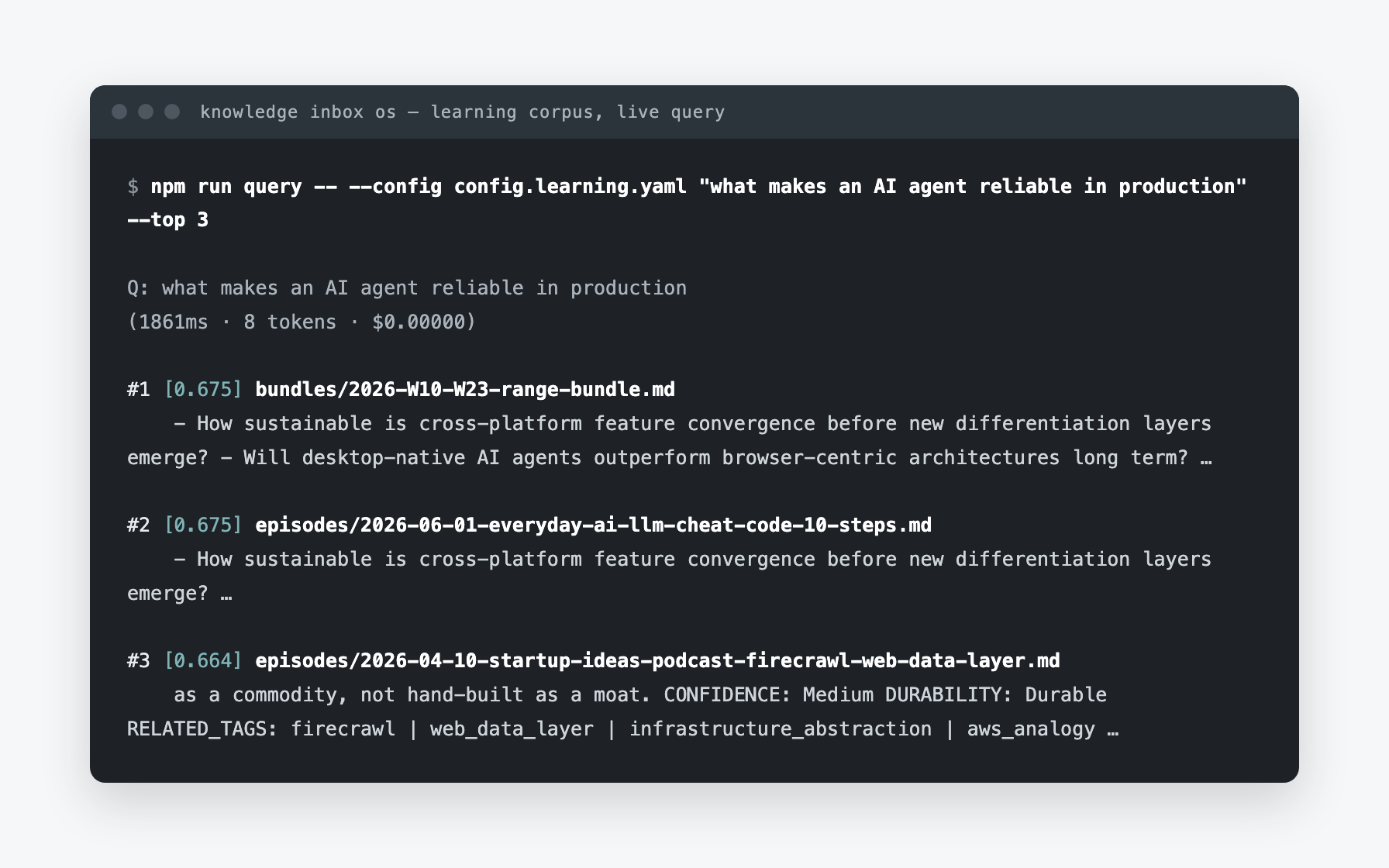
Knowledge Inbox OS
In use · local-firstA reusable system that reads a folder of mixed documents and email, answers plain-English questions from your own material, and drafts replies in your voice. Proven across two unrelated collections without changing a line of core code.
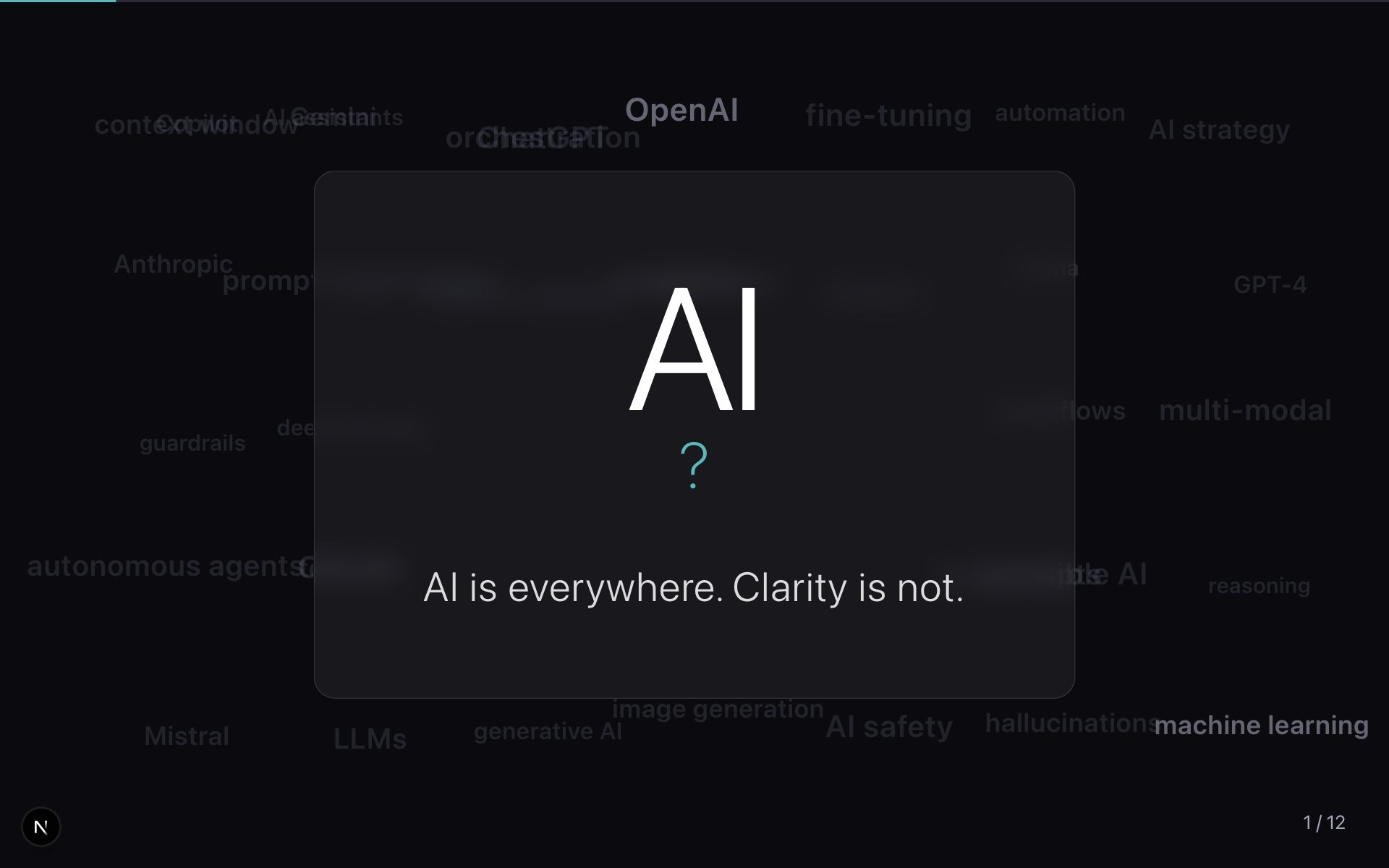
AI training presentation
In productionA browser-based interactive presentation for non-technical business audiences, with working AI demos embedded in the slides. The engineering that matters is invisible: every live demo has a silent fallback, so a flaky network never becomes a failure in front of a room.
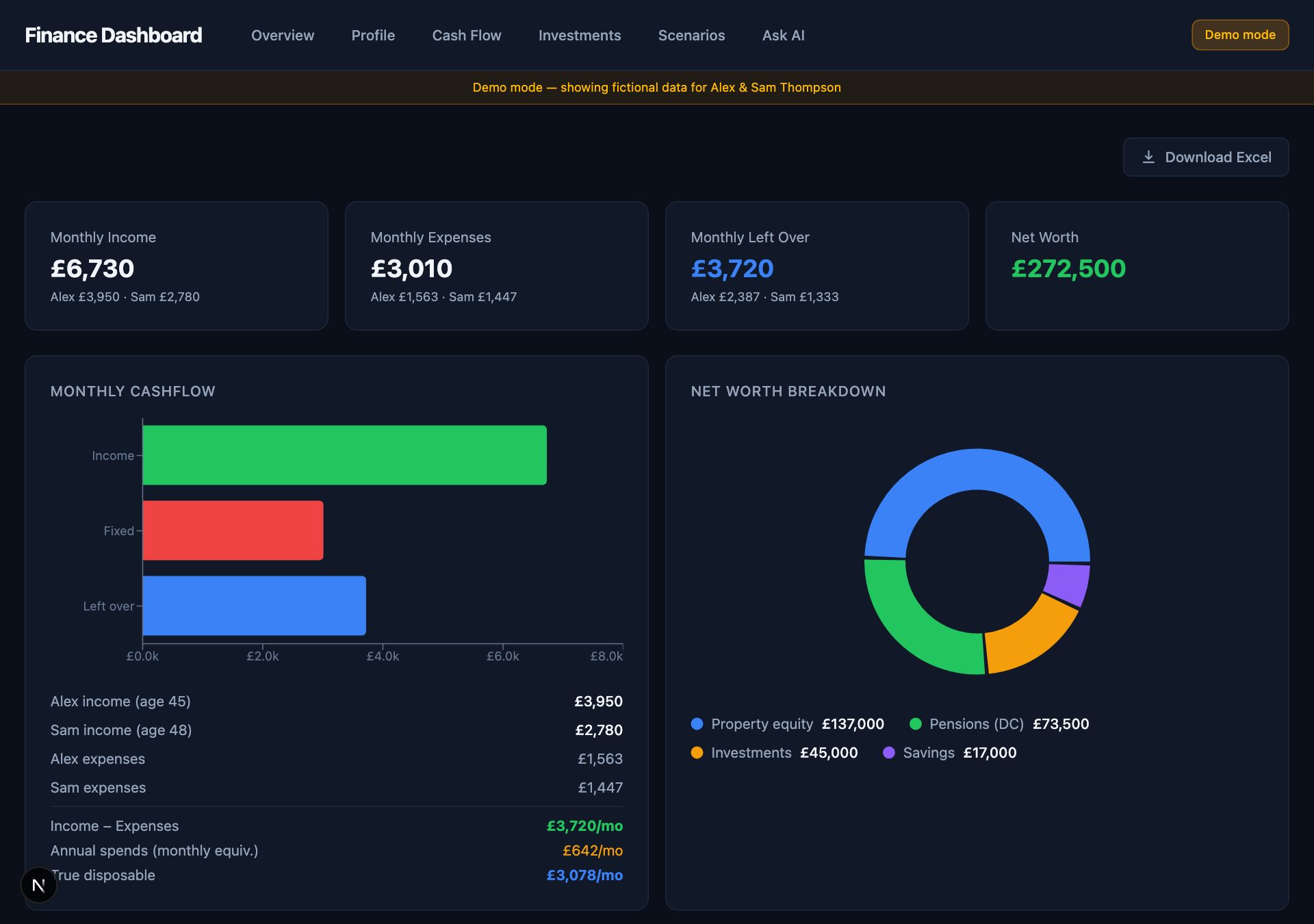
Household finance dashboard
In daily use · privateA finance dashboard I built for my own household and use daily. No database — the data layer is plain YAML files, kept local and never committed. The interesting parts are the constraints: a demo mode that can never leak real numbers, and an AI advisor that's allowed to read but never to decide.
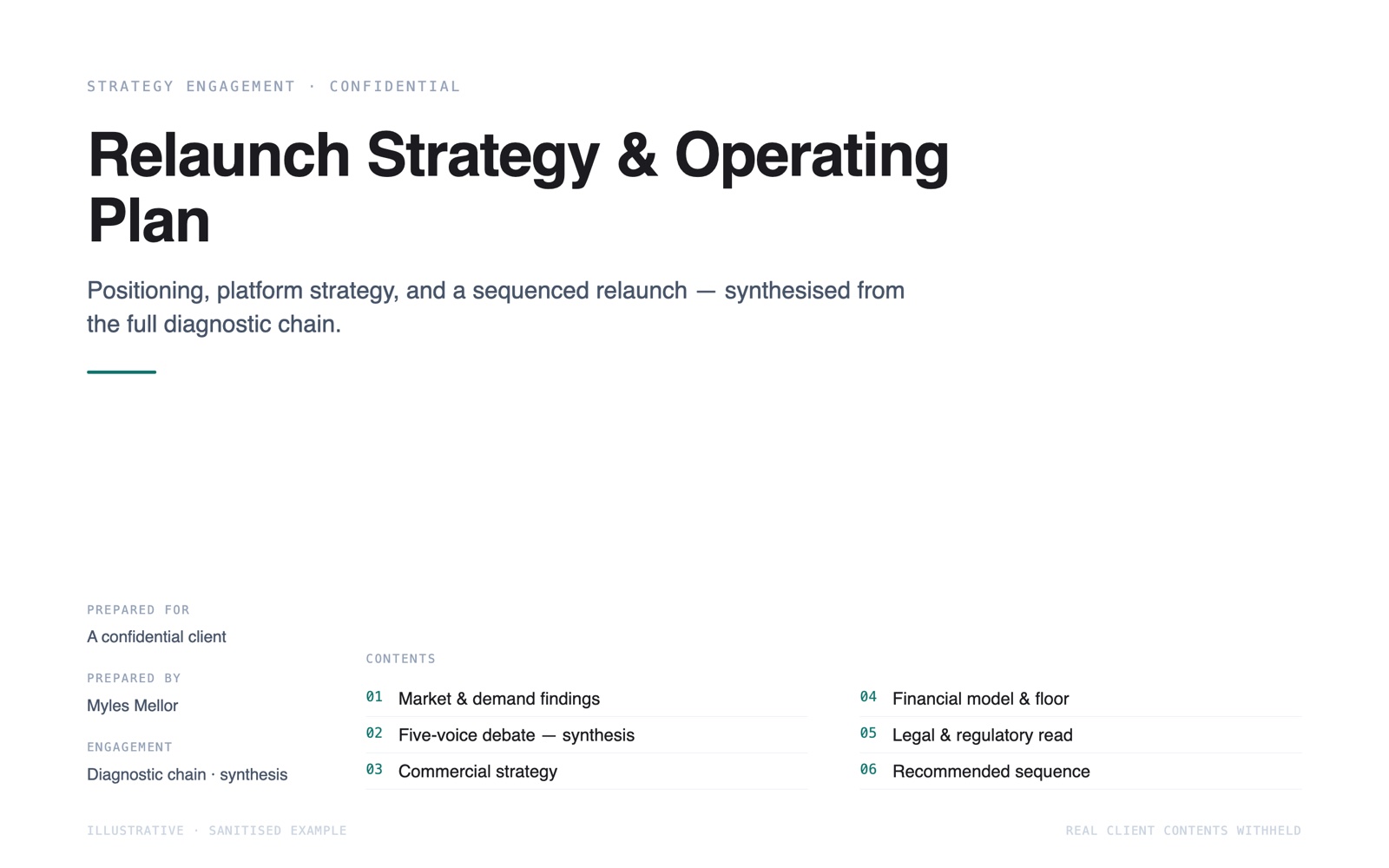
Running the chain on a real engagement
External engagement · anonymisedI ran the full diagnostic chain for a solo founder repositioning a direct-to-audience personal brand: intake, cited research, a five-voice debate, three specialist reviews, and a strategy synthesis they could act on. Anonymised by design — what's shown is the shape of the work and the judgement behind it, never the contents.
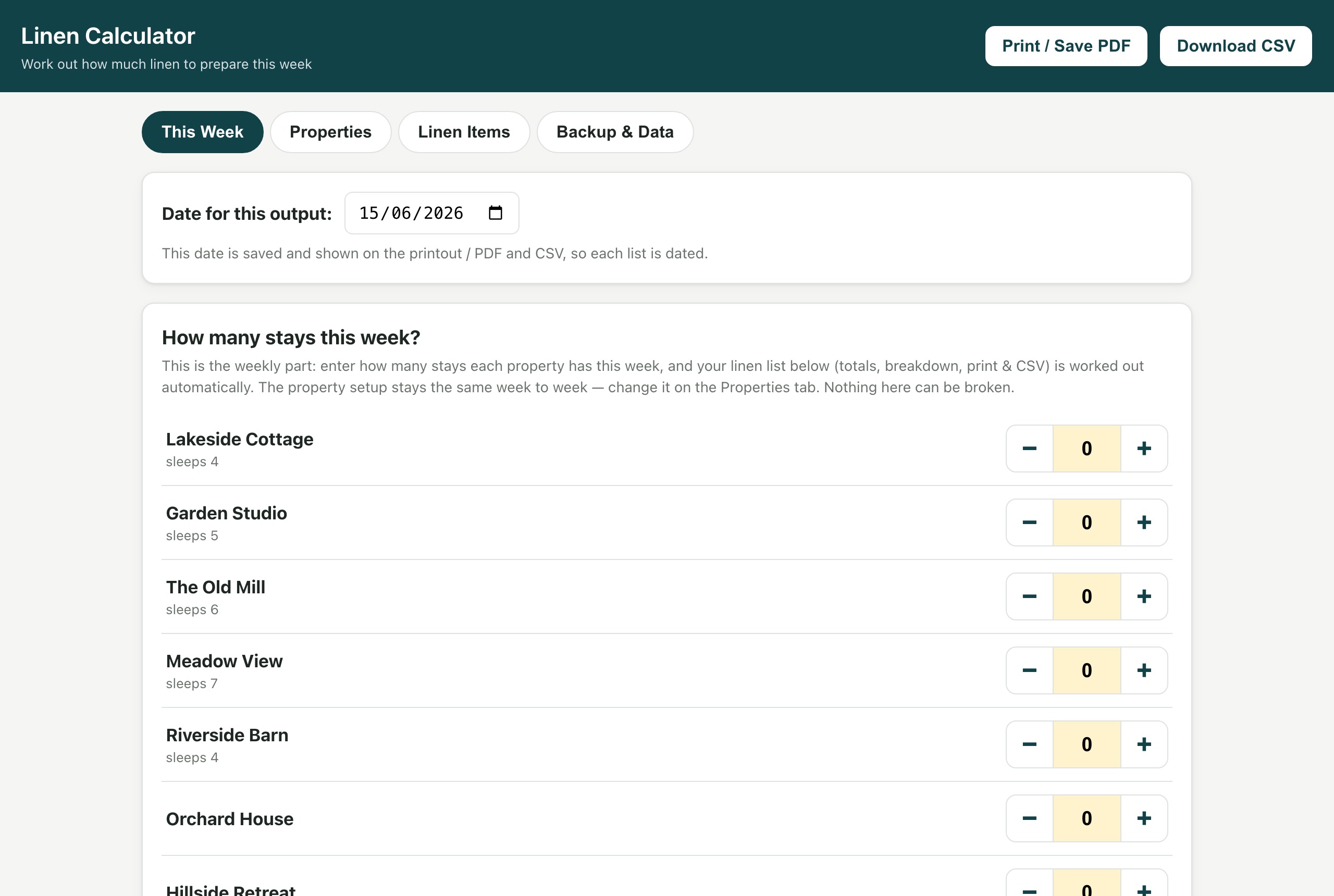
Linen calculator
Delivered · commercial pieceA small commercial piece for a holiday-let business: their weekly linen-prep spreadsheet, rebuilt as a single offline web app that a non-technical person can't accidentally break. One HTML file, no install, no internet. The story is speed, completeness and reliability on a real business problem — not technical complexity.
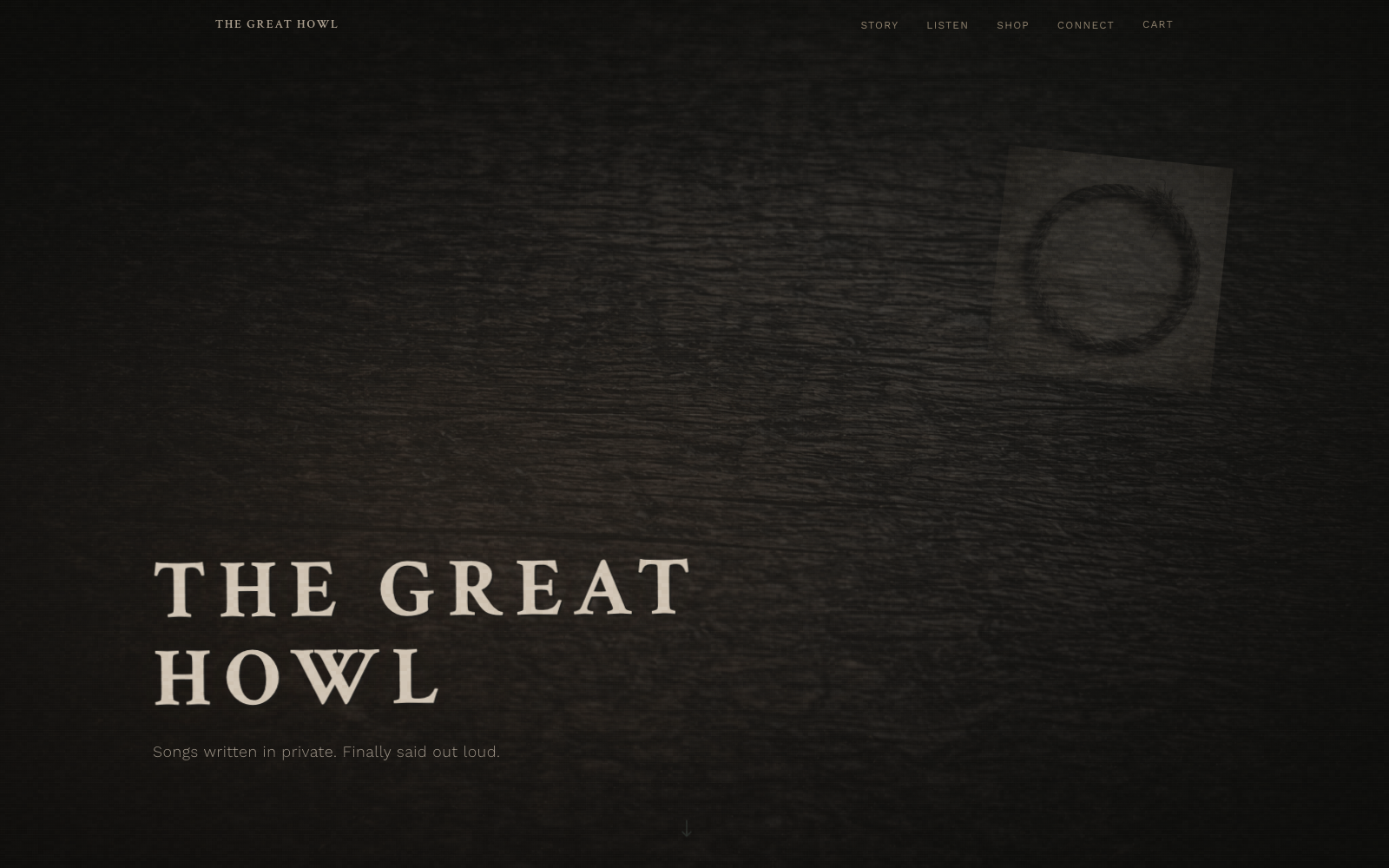
The Great Howl
Self-initiated conceptA self-initiated concept: an entire alternative-folk artist — music, imagery, brand, copy and a storefront — generated end-to-end with AI, then deliberately held to one cohesive aesthetic rather than the default AI look.
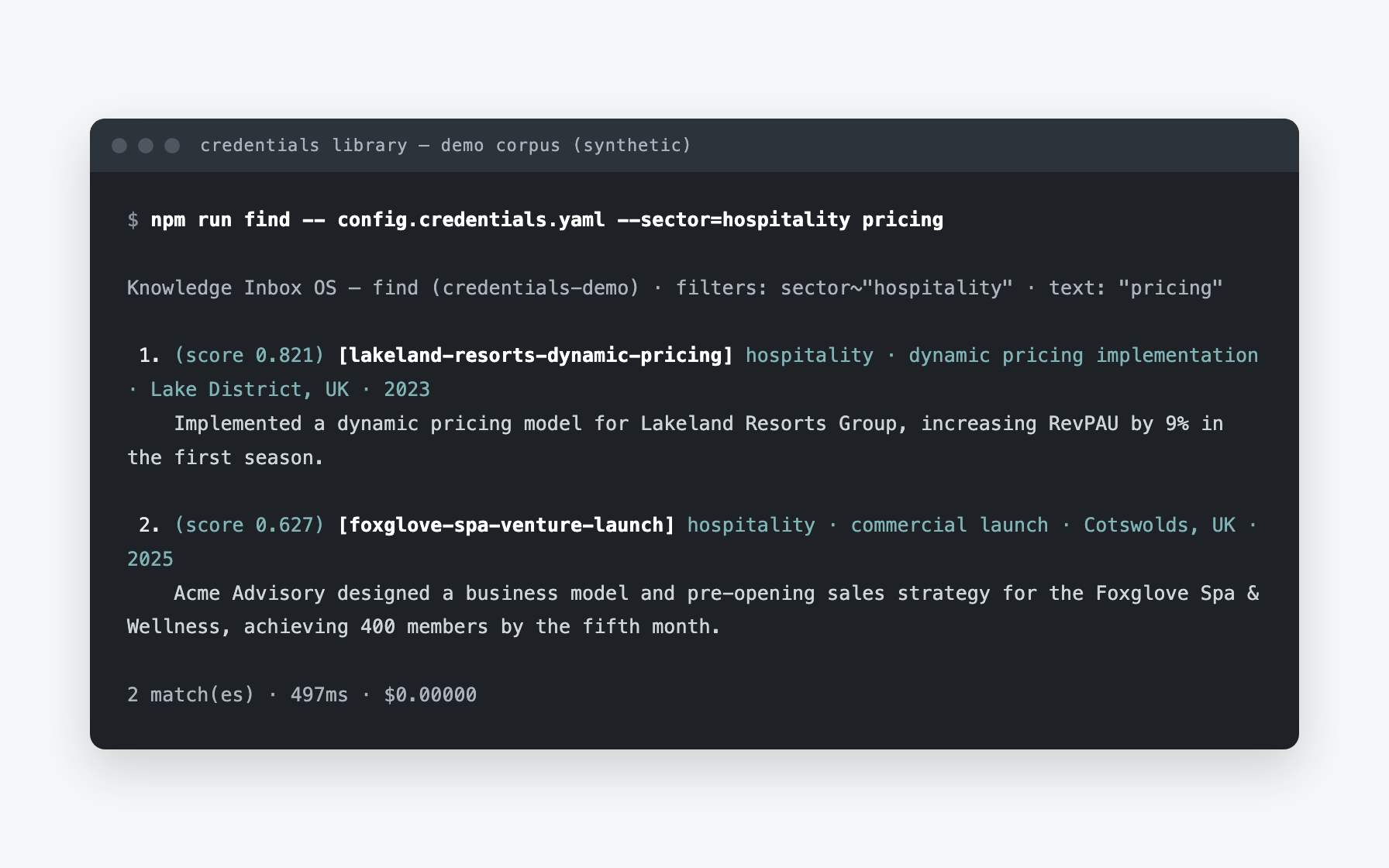
Credentials library
Working tool · demo uses synthetic dataEvery services firm has the same problem: the evidence of past work lives in scattered documents, so every proposal re-discovers it from scratch. This tool reads credential documents in any format, extracts a consistent taxonomy from each, and makes the whole library filterable and searchable. Shown here with an entirely fictional firm's credentials.
![Excerpt from the British Land plc demo brief: five claims from the verified-signals registry, each carrying a verification label — [V] verified, [P] partly verified, [U] unverified](/images/meeting-prep-brief.png)
Meeting prep with a verification layer
Working internal workflow · demo run on public-listed-company dataMeeting preparation is where confident summaries quietly go wrong: a stale story reads as current, a rumour reads as fact, a marketing line reads as a credential. This internal workflow researches a company from public sources and labels every claim — verified, partly verified, inferred, or unverified — before it can reach the briefing note. Demonstrated here on a FTSE-listed company, where the labels did real work.
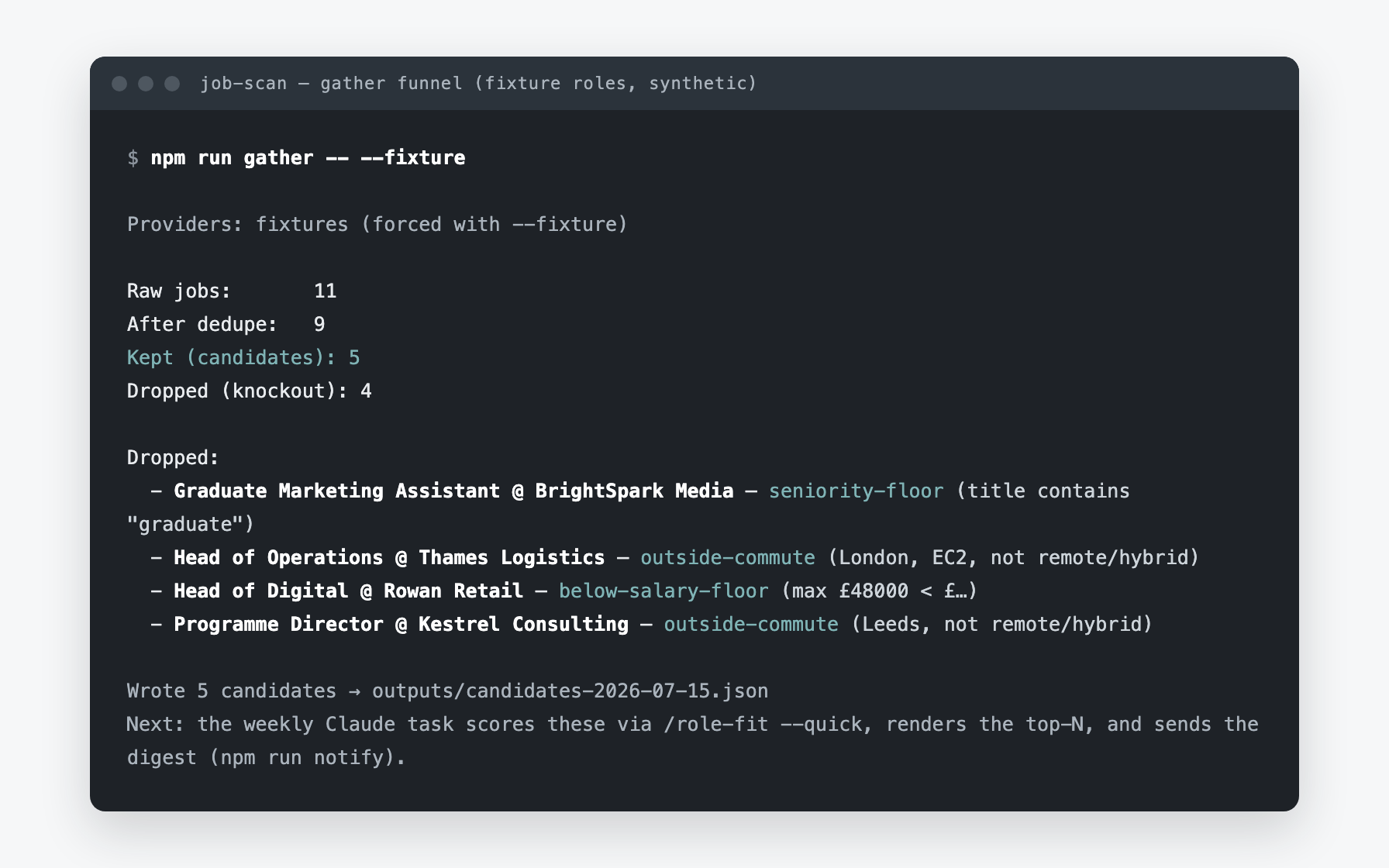
Job-scan — a weekly market radar
Running weekly · autonomousA passive radar, not a search tool: I'm not looking for a job, which is precisely when you stop seeing the market. Every Sunday it gathers listings through official APIs, filters them against hard constraints with the reason stated for every drop, has an AI score the survivors for honest fit, and sends a short digest to my phone.
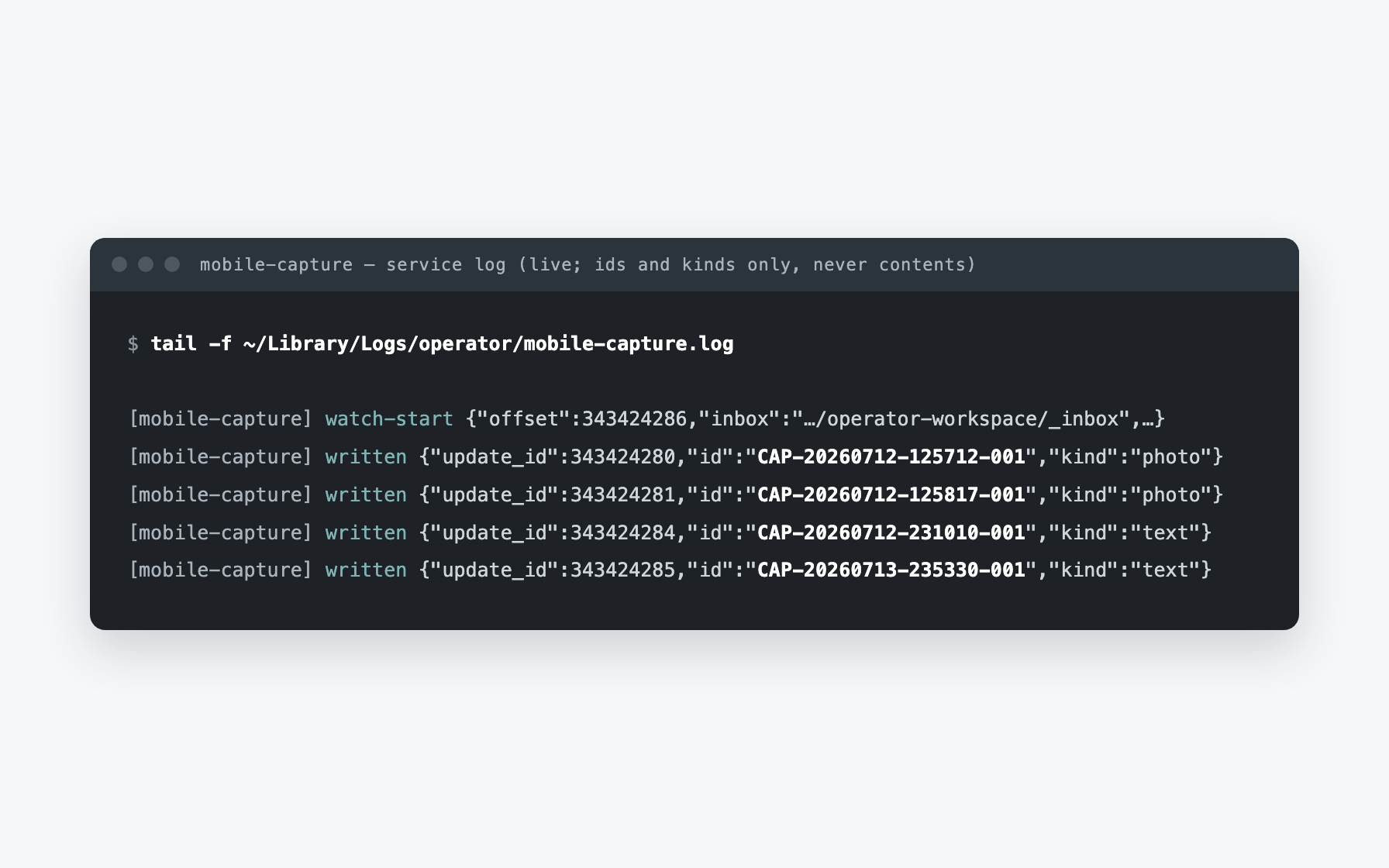
Mobile capture — phone to workspace, intact
Running always-on · in daily useIdeas arrive away from the desk, and friction is what kills capture. This service turns a private Telegram chat into a capture channel: text, photos and documents land as files in the workspace inbox within seconds, exactly once each, with interpretation deferred until I'm back at the desk. It has run always-on since the end of June.
Capability
An evidence-backed map of what I can do
Seventeen AI capability areas, each scored against real workspace evidence — gaps shown, not hidden. See the map →
About
25 years of making messy operations run cleanly
Kroll, HSBC, Santander, Peak Venues, consultancy — the same pattern throughout. The track record →